Who does embodied loyalty serve?
Loyalty trains in the body long before it registers in our minds.
A training that often comes at a cost to our own and others' lives. When we’re young or positioned ‘lower’ in hierarchical systems, loyalty becomes a coping strategy for safety and a belief of belonging. Maybe not even ‘negative’ per se. We are social animals with brains that have evolved for survival by maintaining the status quo even when it’s against our own embodied interests.
We depend on the systems. These systems used to be more communally oriented. So systems aren’t inherently bad or good, but they definitely aren’t neutral. They can contribute to public good and wellbeing. In the US, though, historically, systems haven’t. And many people in them are actively betraying us in front of our very own eyes and then lying about what you’re seeing. No body is safe. And yet, continue forward we must. While this isn’t new, it’s amplified, though, in a time of distracting social media noise and the compounding effects on our nervous systems.
Think about the larger systems and institutions you’re in now or have been in. The ones you felt or wanted to belong to. When and why were they founded? By whom and for whom? What were you taught about belonging to them? How does that register in your body?
In my org classes, I’d tell students that if you want answers to those questions, follow the money. And we would then go back to beginnings. American higher education history is founded on inequality, gatekeeping access, and stolen land. Part of the unique diversification of US institutional types (land-grants, HBCUs, tribal, community colleges etc) we have today is because the original ones, two centuries of education systems, left out women, folks of color and culture, and folks in working classes. The last 70 years of expansion still builds on the systems and institutions as gatekeepers to the illusions of prestige, power networks, and American white collar lifestyle.
In order to belong, you submit your body to conditions and demands in the name of Wildcat or Big Red loyalty (or insert whatever mascot or identity you have a polo for). That loyalty becomes so embodied that you engage in overing on reflex and demand, more so that you’re being asked to. You may find yourself squeezing into the image of the ideal worker, the ideal professor, the ideal writer, etc. Make no mistake, for most of us to live a life of the mind typically means sacrificing our bodies and relationships.
Access never meant inclusive belonging. Because success is often in opposition to being inclusive of your own body. It always meant belonging if you fit yourself into the ideal worker while maintaining all your other commitments of caring, parenting, community work. And the collapse of these illusions and institutions, in my observations, is why many people are feeling this current collapse in their nervous systems and bodies before they can cognitively register it. Over time, those very loyalties that kept you safe and belonging tax your body, and your integrity.
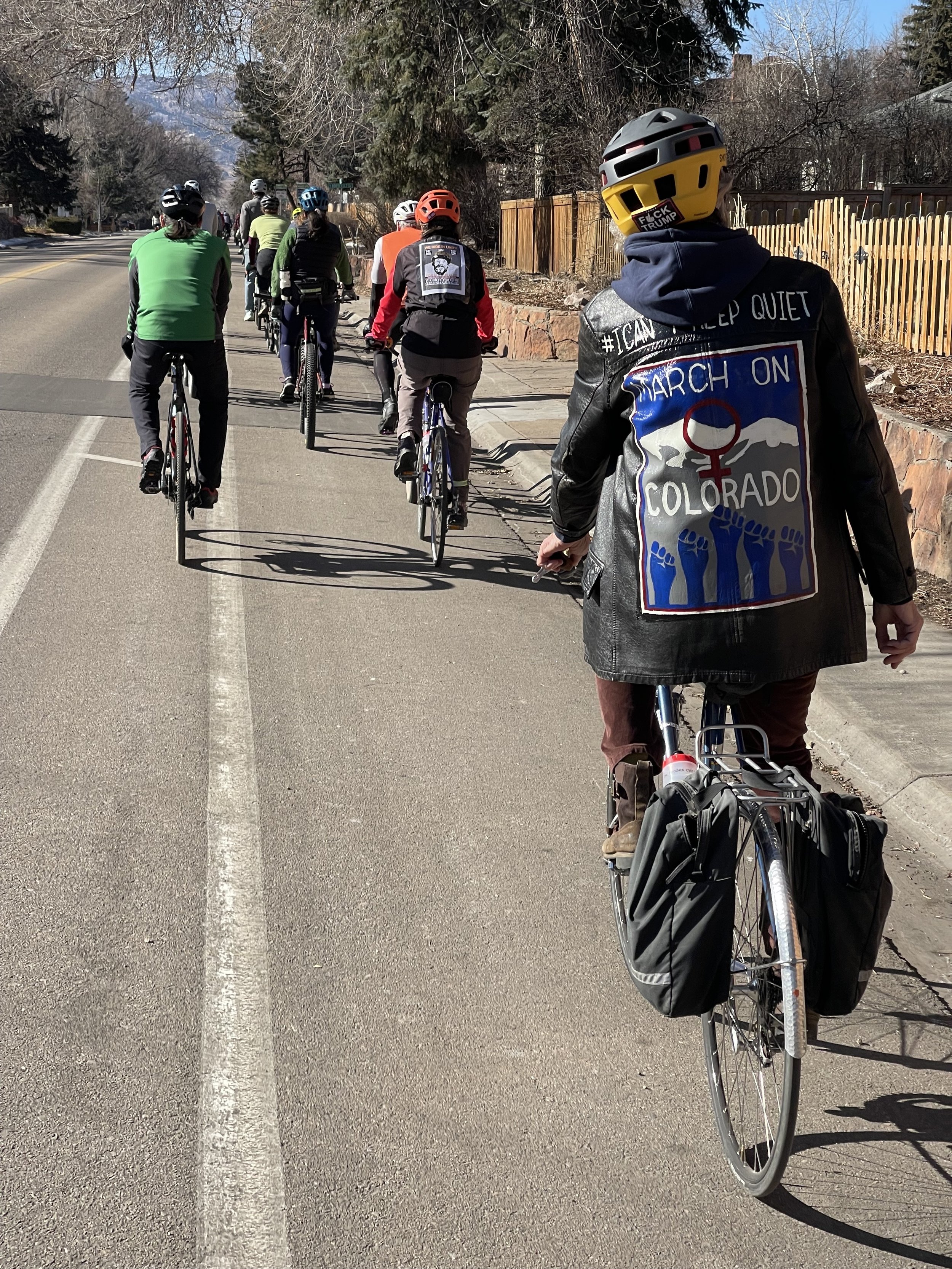
On the heels of national strikes and boycotts and many ongoing protests, collective reckoning surges. I felt it in my body in an overwhelming kind of complex emotions way. I biked in protest this weekend next to a woman in her 70’s wearing an old jacket, hand-painted that read: “I can’t stay silent.” She said she never thought she’d have to dust it off and wear it again. We agreed there are no right words, only feelings of rage and grief.
Blending deep heartbreak to be in THIS moment and also humility to be in this TOGETHER. To bring bodies together in a public space, even with risk to them, because we care. It’s a visceral reminder that we belong to something greater. And it is about the right to all of our bodies’ safety and belonging.
A few gentle reflections to hold this week
(Choose one. There’s no need to answer all of them.)
Where have I learned that loyalty means giving more than I have?
How has loyalty been trained in my own body?
What do I fear might be lost if I loosen my grip on productivity even slightly?
What would it look like to practice a revised loyalty to communal care?
Our dreams are limited when we refuse to let go of the beliefs, behaviors, and embodied constrictions of the past and present systems. This is a time to unlearn all that has infiltrated our individual and collective lives so that we can create new, better futures. We are worthy of safe, healthy belonging to our own bodies, to community, and to Earth.